
جموں و کشمیر پر قرارداد
آل انڈیا مسلم مجلسِ مشاورت کے قومی اجلاس میں منظور کی گئی تاریخ:21 ستمبر2024 آل انڈیا مسلم مجلسِ مشاورت,جو بھارت میں مسلم تنظیموں اور ممتاز شخصیات کا واحد وفاق ہے، حکومتِ ہند سے مطالبہ کرتی ہے کہ جموں و کشمیر کے لیے انتخابات کے بعد ایک ترقی پسند روڈ میپ بنایا جائے۔ ہم حکومت اور الیکشن کمیشن کی اس بات پر تعریف کرتے ہیں کہ انہوں نے آزاد، منصفانہ اور شفاف انتخابات کے انعقاد کو یقینی بنایا ہے، اور تمام جماعتوں کے لیے مساوی میدان فراہم کیا ہے۔ تاہم، انتخابات کے بعد کے روڈ میپ پر غور کرنے کی ضرورت ہے۔ یہ الزامات سامنے آئے ہیں کہ انتخابات سے پہلے کی بے ضابطگیاں اس بات کو یقینی بناتی ہیں کہ اکثریتی مسلم آبادی کی آواز آئندہ اسمبلی میں کمزور ہوگی۔ اس تاثر کو دور کرنے کی ضرورت ہے۔ مثال کے طور پر حد بندی کمیشن نے ہندو اقلیتی آبادی والے علاقوں کو زیادہ نشستیں دی ہیں اور لیفٹیننٹ گورنر کو مزید پانچ ارکان نامزد کرنے کا اختیار دیا ہے، جن میں سے تین یقینی طور پر ہندو ہوں گے، دو کشمیری پنڈت اور ایک 1947 میں پاکستان سے ہجرت کر کے آیا مہاجر۔اگرچہ اقلیتی آوازوں کو اسمبلی میں شامل کرنا قابلِ تحسین ہے لیکن غیر متناسب نمائندگی کا کوئی فائدہ نہیں۔ جموں و کشمیر کی آبادی کے مطابق، چونکہ اقلیتی ہندو آبادی 28% ہے، انہیں 95 رکنی اسمبلی میں 29 نشستیں ملنی چاہئیں۔ لیکن حد بندی کمیشن نے ہندو اکثریتی علاقوں کی نشستوں کو 24 سے بڑھا کر 31 کر دیا۔ نامزد ارکان کے ساتھ یہ تعداد ان کی آبادی کے تناسب سے زیادہ ہو جاتی ہے۔ اگر یہ فارمولا اقلیتی آبادی کو بااختیار بنانے کے لیے ہے، تو اسے پورے بھارت میں نافذ کیا جانا چاہیے تاکہ دیگر ریاستوں میں بھی اقلیتوں کو سیاسی طور پر مضبوط کیا جا سکے۔ اس وقت پارلیمنٹ میں صرف 24 مسلمان ایم پی ہیں، جبکہ ان کی تعداد 74 ہونی چاہیے اور اگر کشمیر کا فارمولا پورے ملک میں نافذ کیا جائے، تو یہ تعداد تقریباً 200 تک پہنچ سکتی ہے۔اس کے علاوہ، ہم سمجھتے ہیں کہ مشترکہ حکمت عملی جموں و کشمیر میں دیرپا امن، خوشحالی اور جمہوری استحکام کی راہ ہموار کرے گی۔ ہم درج ذیل سفارشات پیش کرتے ہیں: ریاستی حیثیت کی بحالی فوری کارروائی: جموں و کشمیر کی مکمل ریاستی حیثیت بحال کی جائے تاکہ عوام کی امنگوں کا احترام کیا جا سکے۔ کیونکہ: ریاستی حیثیت مقامی اداروں کو مضبوط کرے گی اور خطے کی منفرد ضروریات کے مطابق بہتر حکمرانی کو ممکن بنائے گی۔ منتخب حکومت کو بااختیار بنانا: گورنر کے اختیارات کم کرنا: گورنر کے انتظامی اختیارات کو محدود کیا جائے تاکہ منتخب حکومت مؤثر طریقے سے کام کر سکے۔ جمہوریت کو مضبوط کرنا: منتخب نمائندوں کو فیصلے کرنے کا اختیار دینا جمہوری اقدار کو مضبوط کرے گا۔ نگرانی میں کمی: مواصلات میں کمی: عوام پر عائد نگرانی کے سخت اقدامات پر نظرثانی کی جائے اور انہیں کم کیا جائے۔ اعتماد کو فروغ دینا: نگرانی کے ماحول میں نرمی سے شہریوں اور حکام کے درمیان اعتماد بحال ہوگا۔ سیاسی آزادی کی بحالی: قیدیوں کی رہائی: ان سیاسی رہنماؤں اور کارکنوں کو رہا کیا جائے جنہیں بغیر کسی ٹھوس ثبوت کے حراست میں لیا گیا ہے۔ مذاکرات کی حوصلہ افزائی: صحت مند مباحثے اور تنازعات کے حل کے لیے کھلی سیاسی فضا کا ہونا ضروری ہے۔ پریس کی آزادی: میڈیا پر پابندیوں خاتمہ: خطے میں مقامی اور قومی میڈیا پر عائد پابندیاں ختم کی جائیں۔ شفافیت کو یقینی بنانا: آزاد میڈیا احتساب اور باخبر شہریت کے لیے ناگزیر ہے۔ سماجی و اقتصادی ترقی: انفراسٹرکچر میں سرمایہ کاری: ان منصوبوں کو ترجیح دی جائے جو روزگار پیدا کریں اور عوام کے معیارِ زندگی کو بہتر بنائیں۔ ہمہ گیر ترقی: اقتصادی ترقی کا فائدہ تمام کمیونٹیز کو ہونا چاہیے تاکہ اتحادواتفاق اور ترقی کو فروغ دیاجاسکے۔ کمیونٹی کی شمولیت: سول سوسائٹی کی کوششوں کو فروغ دینا: ان تنظیموں کی حمایت کی جائے جو سماجی ہم آہنگی اور امن کے فروغ کے لیے کام کر رہی ہیں۔ تعلیمی پروگرام: ایسے تعلیمی تبادلے اور پروگراموں کو فروغ دیا جائے جو ثقافتی اور سماجی تفریق کو کم کریں۔ آل انڈیا مسلم مجلس مشاورت جموں و کشمیر کی فلاح و بہبود کے لیے پرعزم ہے اور سمجھتی ہے کہ یہ اقدامات ایک پرامن اور خوشحال مستقبل کے لیے نہایت ضروری ہیں۔ ہم حکومت سے مطالبہ کرتے ہیں کہ ان سفارشات پر سنجیدگی سے غور کرے اور تمام متعلقہ فریقوں کے ساتھ مل کر کام کرے۔ ہم جموں و کشمیر کا ایک ایسا منظرنامہ دیکھتے ہیں جہاں: ہر فرد کو بنیادی حقوق اور آزادی حاصل ہو۔ جمہوری ادارے بغیر کسی مداخلت کے کام کریں۔ میڈیا آزادی سے کام کرے اور شفافیت اور احتساب میں اپنا کردار ادا کرے۔ تمام کمیونٹیز امن، باہمی احترام اور افہام و تفہیم کے ساتھ رہیں۔ آل انڈیا مسلم مجلسِ مشاورت پورے بھارت میں انصاف، جمہوریت اور فرقہ وارانہ ہم آہنگی کو فروغ دینے کے لیے پرعزم ہے۔ ہم سمجھتے ہیں کہ تعمیری مکالمہ اور تعاون ہماری قوم کو درپیش چیلنجوں کا حل فراہم کر سکتے ہیں۔ (پیش کردہ: جناب افتخار گیلانی) Full Coverage & Credits
مسلم مجلس مشاورت کا جھارکھنڈ ممبر شپ ڈرائیو شروع
Full Coverage & Credits
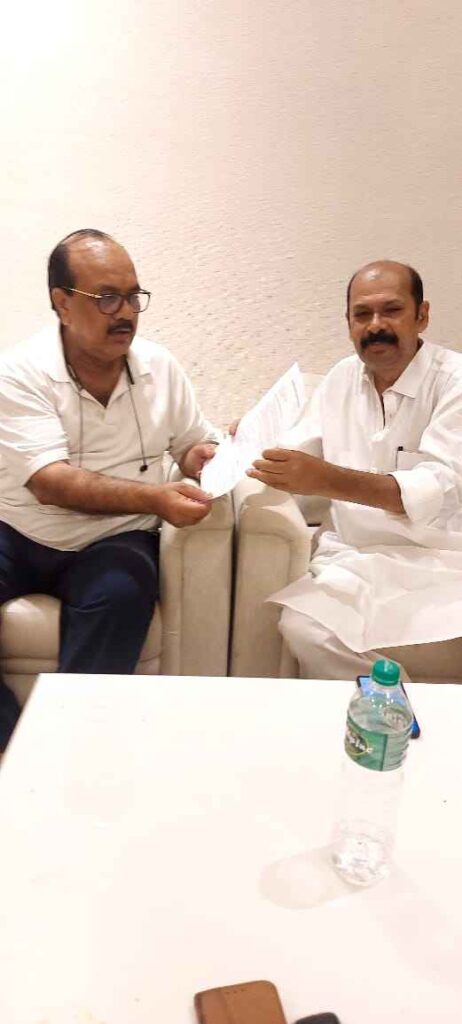
AIMMM to reserve seats for women in its panel

Two seats each have been earmarked for women and notified Muslim OBC representatives. This is the first time ever that seats have been reserved on caste lines in any Muslim body in the country.
AIMMM Resolutions 2012
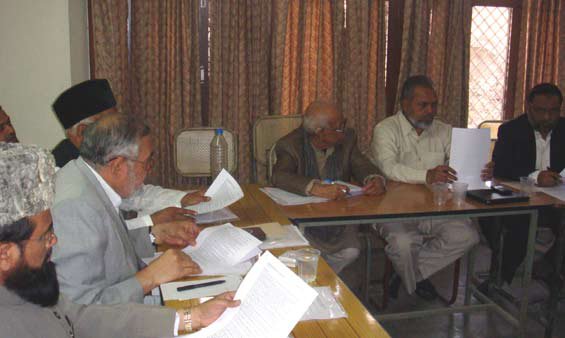
New Delhi, 5 March 2012: The Central and Working Committees of the All India Muslim Majlis-e Mushawarat (AIMMM), the umbrella body of Indian Muslim organisations, met here in a joint session on 3 March 2012. The meeting was chaired by the AIMMM National President Dr Zafarul-Islam Khan and attended by the following members: Janab Mohammad Jafar (Vice President), Janab A. R. Shervani (General Secretary), Janab Mohammad Sulaiman (General Secretary), Dr. Arshi Khan (General Secretary), Janab Mujtaba Farooq, Janab Syed Shahabuddin, Dr. S. Q. R. Ilyas, Janab S. M. Y. Nadeem, Prof. S. M. Yahya, Janab Nusrat Ali, Prof. Humayun Murad, Janab Abdul Qayoom Khan, Janab Akhtar Husain Akhtar, Janab Jawed Ahmad, Dr. Ubaid Iqbal Asim, Begum Nusrat Shervani, Dr. Mateen Ahmad Siddiqui, Janab Ejaz Ahmed Aslam and Dr. Muhammad Tanweer Hasan. The meeting offered condolences to the millat and families of prominent leaders of the community who passed away recently and prayed for their souls, especially Maulana Muhmmad Safiullah, Shaikhul Hadees, Madrasa Miftahul Uloom Jalalabad (died 2 March 2012); Hazrat Syed Mohammad Izhar Ashraf (1934-2012), Chief Patron of All Indian Ulama and Mashaikh Board (AIUMB) and a Sufi leader, Sajjadah Nashin of Khanquah Ashrafia Hasania of Kichowcha Sharif, died at Delhi on 22 February 2012; Maulana Zeeshan Hidayati, well-known Shia scholar, community leader and active AIMMM member, died in Varanasi on 23 December; Ziaul Haq ‘Soz’ Haqqi Dehlawi, social and political activist, Delhi Congress leader, poet and a former member of Delhi State Haj Committee – died of heart attack in Delhi on 22 December; Dr. Javed azam, President of Jamia Salfia Banaras, a Hadees scholar – died of heart attack in Banaras on 23 December; Prof. Farhana Siddiqi, former President of Jamia Millia Islamia’s Department of Arabic – died at a Delhi hospital on 31 December 2011; Dr Abdul Haleem Owais, Islamic historian of Egypt, professor of history in Riyadh’s Imam University and Egypt’s Zagaziq Uni. (1943-2011) – died on 11 December 2011; Nawab Rahmatullah Khan Sherwani, former Pro-Chancellor of AMU – died on 10 January at the age of 83 years; Khwaja Abdul Khaliq, senior journalist and former Director of PIB’s Urdu Unit in Information and Broadcasting ministry died of heart attack on 18 January in Delhi; Mufti Muhammad Aslam Rizvi, a religious scholar of Bihar, died on 6 January in Patna; Azizur Rahman, Congress leader and a former minister of UP died on 7 January 2012; Shujauudin Sajid alias Shuja’ Khawar, noted Urdu poet and former IPS officer died of heart attack in Delhi on 19 January 2012; Dr. Fareed Parbati, a noted Urdu poet of Kashmir, died on 14 Dec. 2011; Mazhar Imam, prominent Urdu poet, writer, critic, died on 30 January 2012; Kerala’s Governor M.O. Hasan Farook, who earlier he served as governor of Jharkhand, chief minister of Pondicherry three times, and India’s ambassador to Saudi Arabia – died on 26 January 2012 at Chennai; Anis Suhrawardy, noted Supreme Court lawyer, died on 24 January 2012; Kunwar Akhlaq Muhammad Khan ‘Shaharyar’, famous poet, former Urdu professor at AMU, author and critic and winner of many prestigious literary awards, including Sahitya Academy and Jnanapeeth Awards, Ghalib Award for Poetry etc. – died at Aligarh on 13 February 2012; Maulana Syed Waqar Ali, a religious scholar and Sheikhul Hadees at Mazahirul Uloom (Waqf) of Saharanpur – died on 11 February 2012; Maulana Mufti Khurshid Alam, Shaikhul Hadees of Darul Uloom Deoband and a prominent religious scholar died on 7 February 2012; Maulana Abu Bakar Ghazipuri, senior religious scholar and researcher -died in Delhi on 8 February 2012; and Prof. Mughni Tabussam, prominent poet, scholar, critic and author – died in Hyderabad on 15 February 2012. Apart from discussing organisational matters and passing the budget for 2012-2013, the meeting deliberated on a number of milli, national and international issues and passed a number of resolutions which are as follows:4.5% Reservation The AIMMM welcomes as a first but inadequate step the 4.5% reservation offered by the Central government to “minority” OBCs which means the share available to the Muslim OBCs out of this quota will be much less as other minorities too are included in this. The AIMMM urges the central government to demarcate and disaggregate the shares of various minorities in this and any other scheme for minorities according to their ratio in each state. The AIMMM urges the central government to include Muslim and Christian Dalits at the earliest in the SC/ST quota, in order to remove a historic injustice.Mishra Commission report The AIMMM urges the central government to quickly move to the urgent and full implementation of the 10% reservation for Muslims recommended by Misra Commission and urges the government to table it in Parliament without any further delay. The AIMMM reiterates that the available reservation should be allocated on the basis of backwardness alone with no share for the creamy layer and well-off sections of the Muslim minority.Gujarat The AIMMM registers its dismay that 10 years down the line, the victims of the state-sponsored pogroms of 2002 are yet to receive justice due to the delaying and obfuscating tactics of the Modi Government. The victims have not been properly rehabilitated and around 60,000 of them are still displaced and continue to live as refugees in their own homeland which is a matter of shame for the whole country. The central government should take the initiative to rehabilitate them inside and outside Gujarat like the migrants of Kashmir. Moreover, the origin of the fire that burnt coach no. 6 of Sabarmati Express is yet to be conclusively probed and established. It is time for the central investigative agencies to go into the origin and reality of this fire in S-6. AIMMM salutes brave people like Zakia Jafari, Teesta Setalvad, Sanjiv Bhatt, Sreekumar and Mukul Sinha who continue the struggle for the victims of Gujarat.Jammu & Kashmir AIMMM, after detailed deliberation on the situation in the J&K, is of the view that the present apparent peace is managed by oppression. Murder by security personnel is still treated as